Lipoedema
Understanding a little-known women's health condition
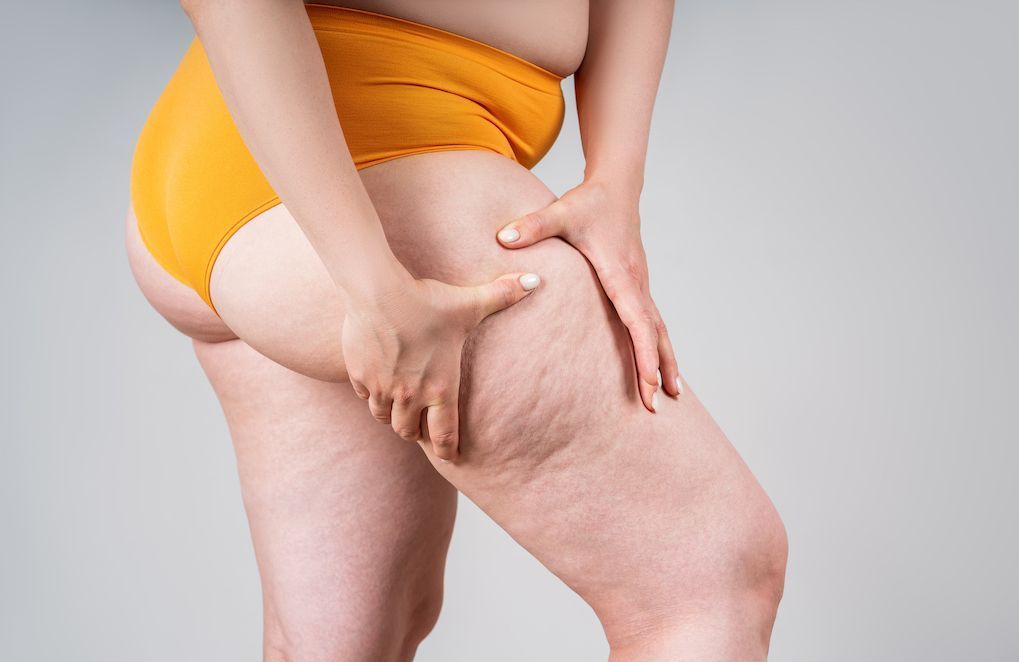
Lipedema is a chronic, often misdiagnosed condition that exclusively affects women. It manifests as an abnormal accumulation of painful fat in the legs, thighs, and hips, and sometimes the arms, while sparing the hands and feet. Unlike simple weight gain, this fat is resistant to diet and exercise.
How to recognize lipedema ?
Many women live with lipedema without knowing it. Here are the most common signs:
- Symmetrical swelling of the legs, sometimes starting as early as puberty
- Spontaneous pain or pain when pressure is applied
- Unusual skin sensitivity
- Easy and rapid bruising
- A feeling of heavy legs, even at rest
- Legs and sometimes arms that are disproportionate compared to the rest of the body
These symptoms may worsen or evolve during hormonal phases such as pregnancy, menopause, or periods of intense stress.
What are the causes ?
Although the exact causes of lipedema are not yet fully understood, scientific research and clinical experience highlight several triggering or aggravating factors. These elements do not act in isolation but often combine to promote the onset and progression of the disease.
1. Genetic predisposition
In more than 50% of cases, several affected women are found in the same family: mothers, sisters, aunts, etc. This suggests a hereditary transmission of lipedema, even if the responsible gene has not yet been clearly identified.
2. Hormonal influence
Hormonal imbalance, particularly related to estrogen, plays a central role in the development of lipedema. The disease often starts or worsens at key periods in a woman's hormonal life:
- Puberty
- Pregnancy
- Postpartum
- Menopause
This strong link with hormones explains why lipedema almost exclusively affects women and why it evolves over time if no management is implemented.
3. Associated circulatory disorders
Even if lipedema is not caused by venous or lymphatic disease, these pathologies can coexist and accentuate the symptoms:
- Venous insufficiency (heavy legs, varicose veins)
- Lymphedema (swelling due to poor circulation of lymph)
- Capillary fragility (rapid appearance of bruises)
In advanced stages, the fatty mass can compress the lymphatic channels and lead to secondary lymphedema, making treatment more complex.
Lipedema Disease
Diagnostic
The diagnosis of lipedema relies primarily on a thorough clinical evaluation. This is a crucial step, as the disease is often confused with obesity, cellulite, or lymphedema. Misdiagnosis leads to years of medical wandering, unnecessary suffering, and ineffective treatments.
Specialized Clinical Examination
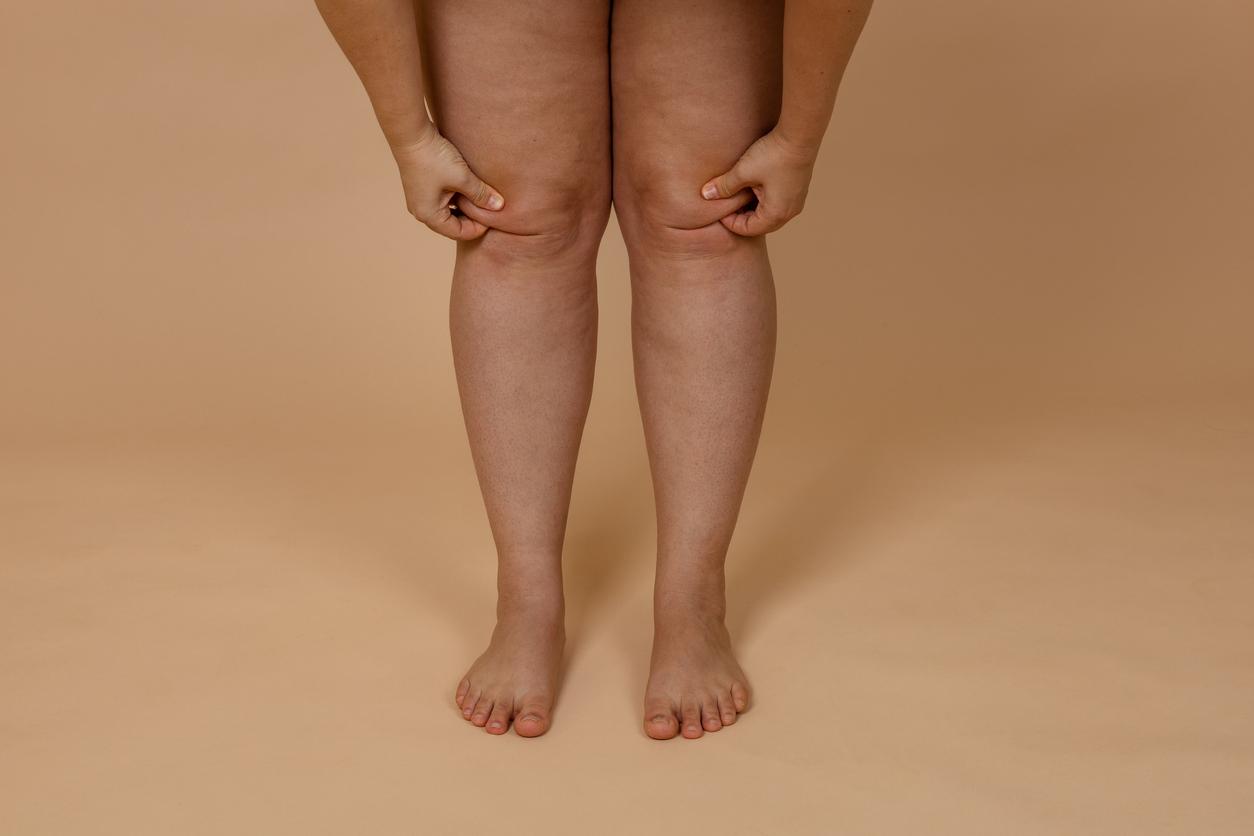
The first step in diagnosis involves visual observation and palpation of the affected areas. The doctor evaluates:
- The distribution of volumes: legs, thighs, hips, arms – always sparing the feet and hands.
- The symmetry of the limbs: an essential criterion of lipedema.
- Sensitivity to pressure: marked pain upon palpation of fatty tissues.
- The presence of frequent or spontaneous bruises (capillary fragility).
- The condition of the skin: orange peel or nodular appearance in advanced stages.
The Stemmer's test is also performed: in lipedema, the skin on the top of the toes can be pinched (negative sign), unlike in lymphedema.
Additional Examinations
Even though the diagnosis is primarily clinical, certain examinations are useful to confirm lipedema or rule out other causes:
- Venous Echo-Doppler: allows verification of the integrity of the venous network and detection of associated venous insufficiency (frequent).
- MRI or tissue ultrasound: in some cases, to analyze the structure of fatty tissues.
- Lymphoscintigraphy: to differentiate lipedema from lymphedema if suspicious swellings are present.
Why Diagnose Lipedema as Early as Possible ?
Early diagnosis of lipedema is a crucial step in preserving the physical, emotional, and social health of women affected. Too often, this disease is ignored, confused with obesity, or trivialized as a simple cosmetic problem. However, the earlier lipedema is diagnosed, the greater the chances of improvement.
1. Avoid Worsening of the Disease
Lipedema is a progressive disease. Without appropriate treatment, it can progress through several stages:
Stage 1 : discreet appearance, skin still smooth
Stage 2 : visible nodules, more intense pain
Stage 3 : significant deformities, reduced mobility
Stage 4 : appearance of secondary lymphedema, more difficult to treat
Early diagnosis allows action to be taken before the disease leads to serious complications, including loss of mobility or chronic venous disorders.
2. Relieve Daily Pain
The fat associated with lipedema is painful, inflammatory, and sensitive to the touch. It causes permanent discomfort: sensation of heavy legs, muscle fatigue, joint pain...
Diagnosing the disease early allows targeted solutions to be implemented (compression, drainage, adapted physical activity) to reduce pain and improve quality of life.
3. Preserve Self-Esteem and Mental Health3. Preserve Self-Esteem and Mental Health
Many women live with shame about their figure, feeling responsible for a body they do not understand. They are sometimes wrongly judged as "overweight," which causes:
- Social isolation
- Psychological distress
- Body image disorders
- Emotional fatigue
A clear diagnosis removes guilt, names the disease, and restores confidence. It is also an immense emotional relief for many patients.
4. Benefit from Adapted and Effective Care
Once lipedema is identified, it is possible to act:
- Implementation of personalized medical follow-up
- Nutritional and physical activity advice
- Use of medical compression garments
- Specialized surgical treatment if needed (gentle liposuction)
The earlier the diagnosis, the more durable and natural the results, especially after surgical treatment such as that offered by Dr. Benslimane in Casablanca.
LIPEDEMA Treatment in Morocco
By Dr. Fahd Benslimane, expert in Casablanca
Lipedema : a disease that can be treated
Lipedema is not simply excess fat or an aesthetic problem. It is a chronic, progressive, painful, and debilitating disease that requires specialized medical care.
For years, affected women have been misunderstood, misdirected, or ignored. Today, thanks to medical advances and the commitment of practitioners like Dr. Fahd Benslimane in Casablanca, effective solutions exist in Morocco.
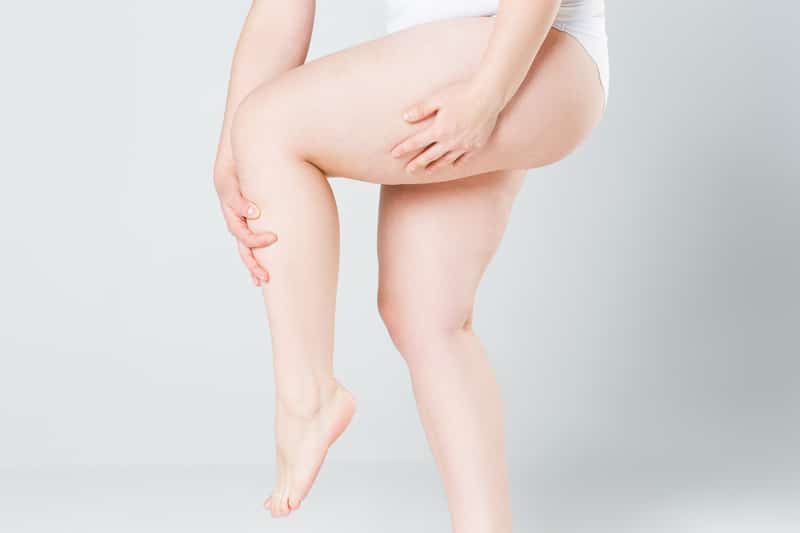
Treatment objectives
Lipedema treatment is not limited to an aesthetic approach: it is above all a comprehensive therapeutic approach, which aims to relieve the patient, slow the progression of the disease and improve the quality of life on a daily basis. Each intervention – medical or surgical – meets specific and essential objectives:
- Reduce pain and swelling
- Restore mobility and quality of life
- Improve the aesthetic appearance of the legs or arms
- Prevent complications (lymphedema, deformities)
1. Conservative non-surgical treatment
Indicated for early stages or as a complement to surgery, it includes:
Custom-made medical compression garments
→ to stimulate venous and lymphatic circulation
Manual lymphatic drainage
→ to reduce edema and pain
Gentle and regular physical activity
→ (aquagym, Nordic walking, therapeutic yoga)
Personalized anti-inflammatory diet
→ low in refined sugars, rich in antioxidants
These methods provide relief but do not reduce the fatty deposits typical of lipedema.
2. Surgical treatment: specialized liposuction
The only method capable of permanently removing diseased fat is liposuction adapted to lipedema, performed by a surgeon trained in this pathology.
A unique expertise in Morocco
Dr. Fahd Benslimane, a renowned cosmetic surgeon in Casablanca, offers an innovative, gentle and safe technique, based on international standards for the treatment of lipedema.
Technique used: Gentle assisted liposuction
- Body-Jet / WAL (Water Assisted Liposuction) method → non-aggressive technique using a sterile water jet to dislodge fat cells
- Local anesthesia with sedation
- Less pain, few bruises
- Respect for the lymphatic system and cutaneous nerves
- Legs lightened and sculpted according to the artistic model of leg beauty developed and published internationally by Dr. Fahd Benslimane "The Benslimane's Artistic Model for Leg Beauty"
WAL LIPOSUCTION
The gentlest and most effective method for treating lipedema
WAL liposuction (Water Assisted Liposuction), or water jet-assisted liposuction, is an innovative and minimally invasive surgical technique specially adapted for the treatment of lipedema.
Unlike traditional liposuction, WAL uses a pulsed water jet under gentle pressure to dislodge and suction out diseased fat cells without damaging surrounding tissues (nerves, lymphatic vessels, skin).
Today, it is the global reference method in the surgical management of lipedema.
Why choose WAL in Morocco with Dr. Fahd Benslimane?
Dr. Benslimane, an expert surgeon based in Casablanca, is one of the first in Morocco to offer WAL liposuction for the treatment of lipedema according to international standards.
His approach combines :
- A precise diagnosis
- Personalized planning according to each morphology
- A secure intervention in a modern clinic
- Structured post-operative follow-up
Procedure of a WAL liposuction
- Initial consultation : assessment of the stage of lipedema, areas to be treated, medical history
- Treatment plan : number of sessions (usually 1 to 3), body preparation (compression, diet)
- Day of the procedure :
→ Dr. Fahd Benslimane performs a detailed pre-operative marking according to his model of leg beauty *
→ In the presence of an anesthesiologist, the procedure is performed under local anesthesia accompanied by sedation for the safety and comfort of the patient.
→ Gentle liposuction is performed following the detachment of fat cells thanks to an infiltration phase.
→ Certain remaining large fatty nodules are then dissolved one by one with a laser probe so that they are eliminated. - The patient spends one night at Face & Body Clinic : She leaves the next day, walking on both legs.
- Post-operative care :
→ Cryotherapy and manual lymphatic drainage sessions are prescribed from the day after the procedure.
→ The patient must then stay in Casablanca for 15 days for post-operative monitoring.
→ Follow-up is then carried out remotely. - Post-operative follow-up : compression stockings, lymphatic drainage, check-ups at D+1, D+5, D+8, D+12, D+15
*The Benslimane Artistic Model for Leg’s Beauty, Aesthetic Plastic Surgery Journal, 2012
Expected results
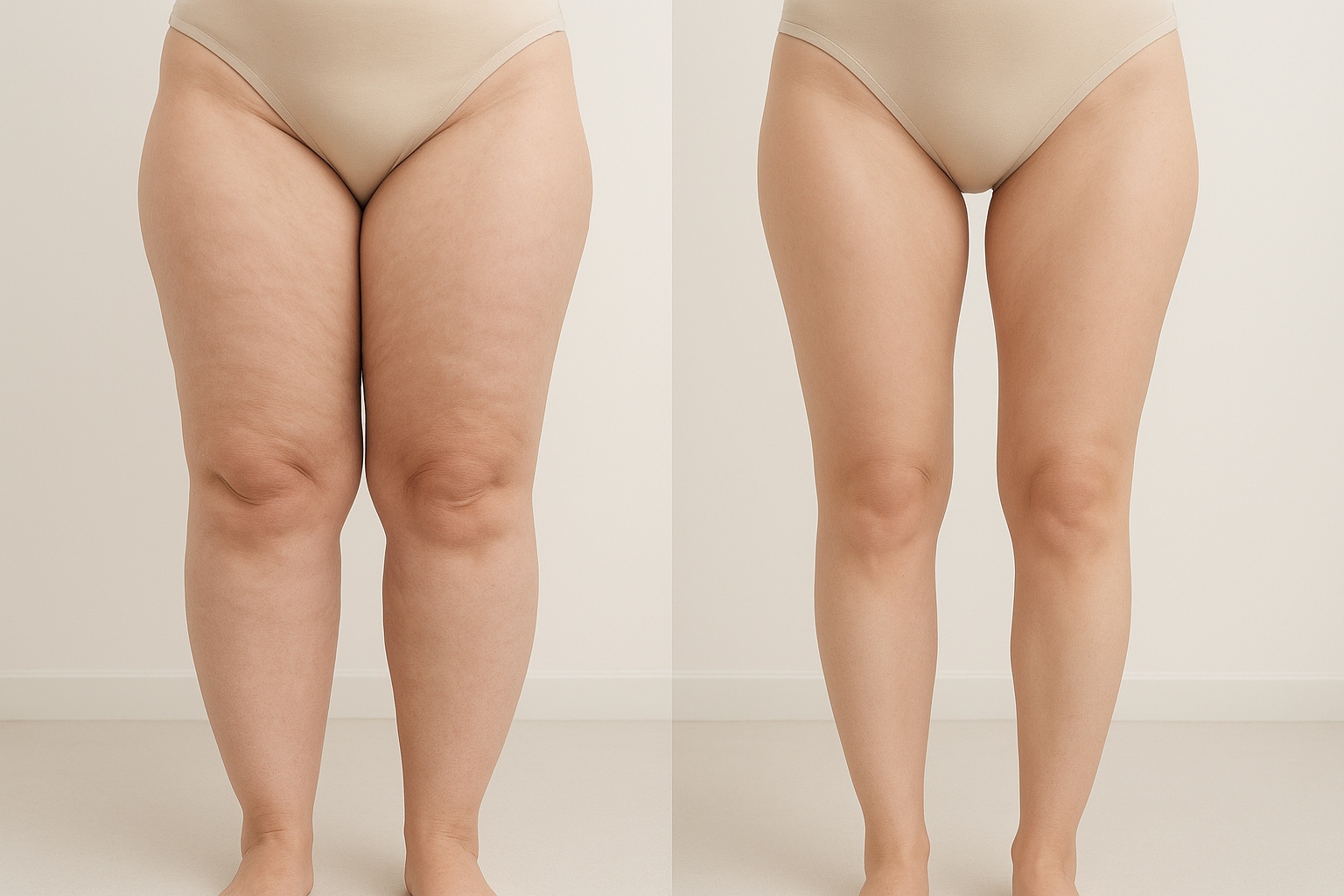
- Visible reduction in volumes
- Immediate relief from chronic pain
- Improvement in posture and mobility
- Restoration of the silhouette
- Restored emotional balance
“My legs are no longer a source of suffering. I’m alive again!” — Patient operated on by Dr. Benslimane, Casablanca.